Beauty in Sound, Emptiness in Story
Umar Manzoor Shah

The 1 hour 45 minute-long biopic on Kashmir’s iconic singer Raj Begum may, at first glance, appear to be a visual delight. The mesmeric sets designed with artistic finesse, the freshness glowing on the face of Saba Azad, and the Kashmiri burqa adorning her head with grace.All these elements are appreciable.
However, when one undertakes the task of making a biopic, the responsibility is not merely aesthetic. It demands a meticulous recreation of reality, combining historical accuracy with cinematic craft. We have seen how convincingly Ben Kingsley embodied Gandhi, Cillian Murphy transformed into Oppenheimer, or Russell Crowe portrayed John Nash. A biopic, unlike other genres, is not just about spectacle , it is about truth. It is a genre where history is filtered through an individual’s story, making personality the conduit of history.
In Songs of Paradise, however, this conduit of history is gravely compromised. And this merits deep concern.
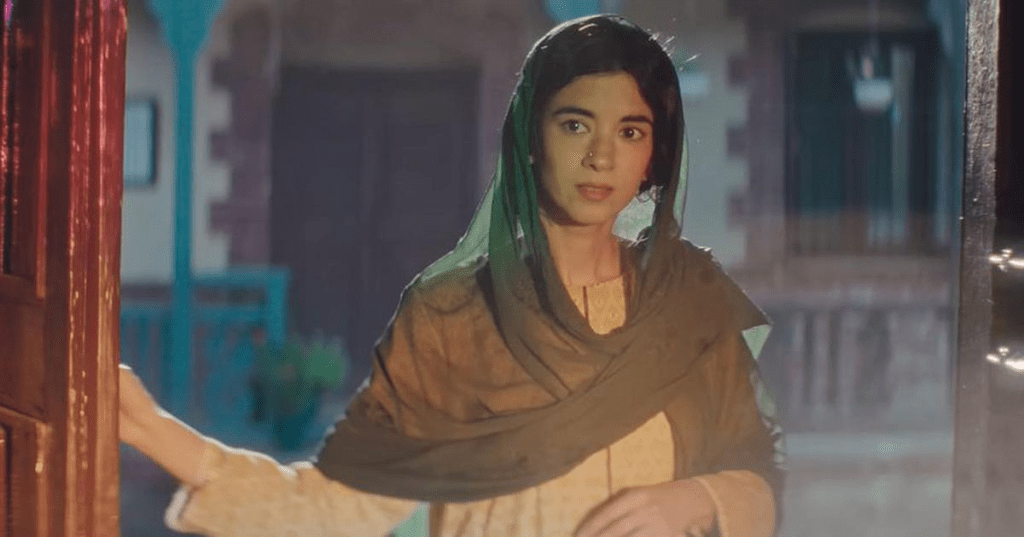
Take one example: imagine a young Kashmiri boy eager to learn about Raj Begum and the Valley’s rich musical heritage. What will he gather after watching this film? The famous Kashmiri song Karsa Myon Nyav Anday , originally penned by the 18th-century Sufi poet Mehmood Gami, was instead written by a fictional Oxford-returned poet, Azad Shah, who in the film is shown as Raj Begum’s husband. This is not only untrue but a gross injustice to Kashmir’s literary past. Imagine a film attributing Ghalib’s poetry to Javed Akhtar . it would be unthinkable. One of the film’s producers, Farhan Akhtar, himself the grandson of the celebrated poet Muztar Khairabadi, ought to have understood the gravity of such distortion. Allowing such fabrication is inexcusable.
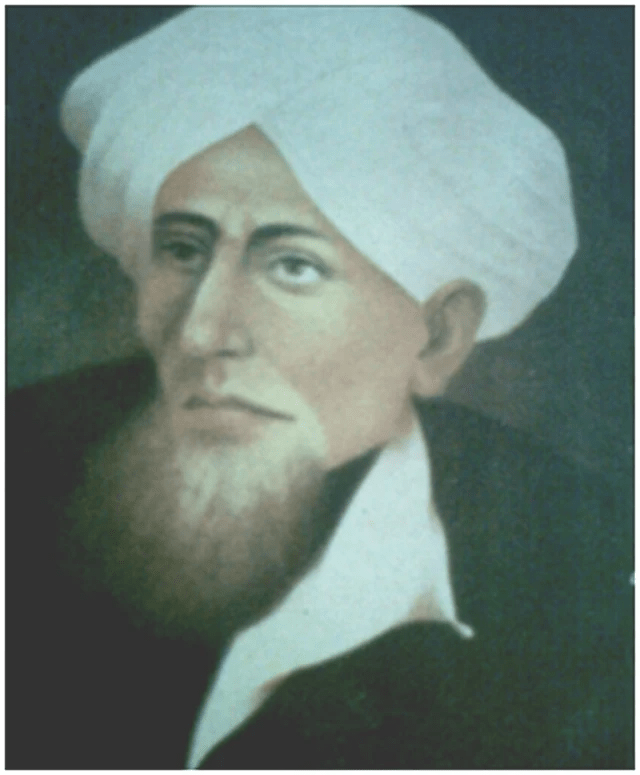
Mahmud Gami is one of the most prominent Kashmiri poets of the medieval period.
The film also presents Raj Begum’s real name as Zeba, supposedly renamed Noor Begum by the same fictional Azad Shah. In truth, her birth name was Rahti, and she lived in the Magarmal Bagh area of Srinagar.
Similarly, the film shows a certain Master Ji as Raj Begum’s music teacher and portrays her mother as hostile, even breaking her tumbakhnari to suppress her daughter’s passion. In reality, Raj Begum’s first music teacher was Ustad Ghulam Qadir Langoo, who overheard her singing in her neighbourhood. Recognizing her immense talent, he convinced her parents to let her sing on radio and bestowed upon her the name “Raj Begum,” after his own daughter. Far from being antagonistic, Raj Begum’s mother herself was fond of singing.
The distortions continue. The film claims Raj Begum’s husband was Azad Shah, whereas in reality it was Sheikh Ghulam Qadir, a senior police officer. It depicts her rise to fame through Dil Chooran Haye Dil Nyoum Shaman, while in fact, her breakthrough came with Maqbool Shah Kralawari’s Gulrez: Walo Ashqoo Dil Che Katrovtham.
Perhaps the most glaring falsehood is the portrayal of Raj Begum as literate, reading lyrics from paper before singing. In reality, she could not read or write. The renowned playback singer Asha Bhosle, once asked to record Rasool Mir’s ghazal Lalas Wantaye Chuyi Sawwal, was given Raj Begum’s rendition as a reference. After recording, she asked musicologist Qaiser Qalandar: “Can Raj Begum read and write?” On being told no, Asha Bhosle said that had Raj Begum been literate, there would not have been one Asha Bhosle in India, but two.
The film even misrepresents how her talent was discovered. Instead of the fabricated narrative of her working as a maid in Jalali House, overheard by “Master Ji,” the truth is that Ustad Ghulam Qadir Langoo discovered her voice, nurtured it, and introduced her to Radio Kashmir.
In short, Songs of Paradise does not merely take cinematic liberties . It rewrites history. By attributing Mehmood Gami’s work to a fictional character, by altering Raj Begum’s origins, her teachers, her struggles, and even her literacy, the film does violence to Kashmir’s cultural and literary heritage. And for God’s sake, Lal Ded is not Laaaal Ded and Nund Reshi is not Nyooud Reshi.
One of the film’s one-liners is: “Kuch nahi karogai toh galat karogai” (If you do nothing, you will still be wrong). But here, Director Sahib, fiddling with Kashmir’s history is galat. Had you done nothing, you would have done right.
 Kashmir Frame